For a long time, disposable plates meant one thing: someone did not want to wash dishes.
A picnic.
A kids’ birthday.
A backyard barbecue.
Now the disposable tableware shows up at birthday parties, baby showers, graduation parties, outdoor weddings, catered events, brunches, tastings, and casual family celebrations.
So do disposable plates give you away?
Not necessarily.
The plate itself is rarely the problem
A porcelain plate is not automatically tasteful.
A disposable plate is not automatically tacky.
The better question is whether the plate fits the kind of event people think they are attending.
Real china usually belongs to a certain kind of gathering: seated, hosted, traditional, and more formal. It works when the meal is part of the service.
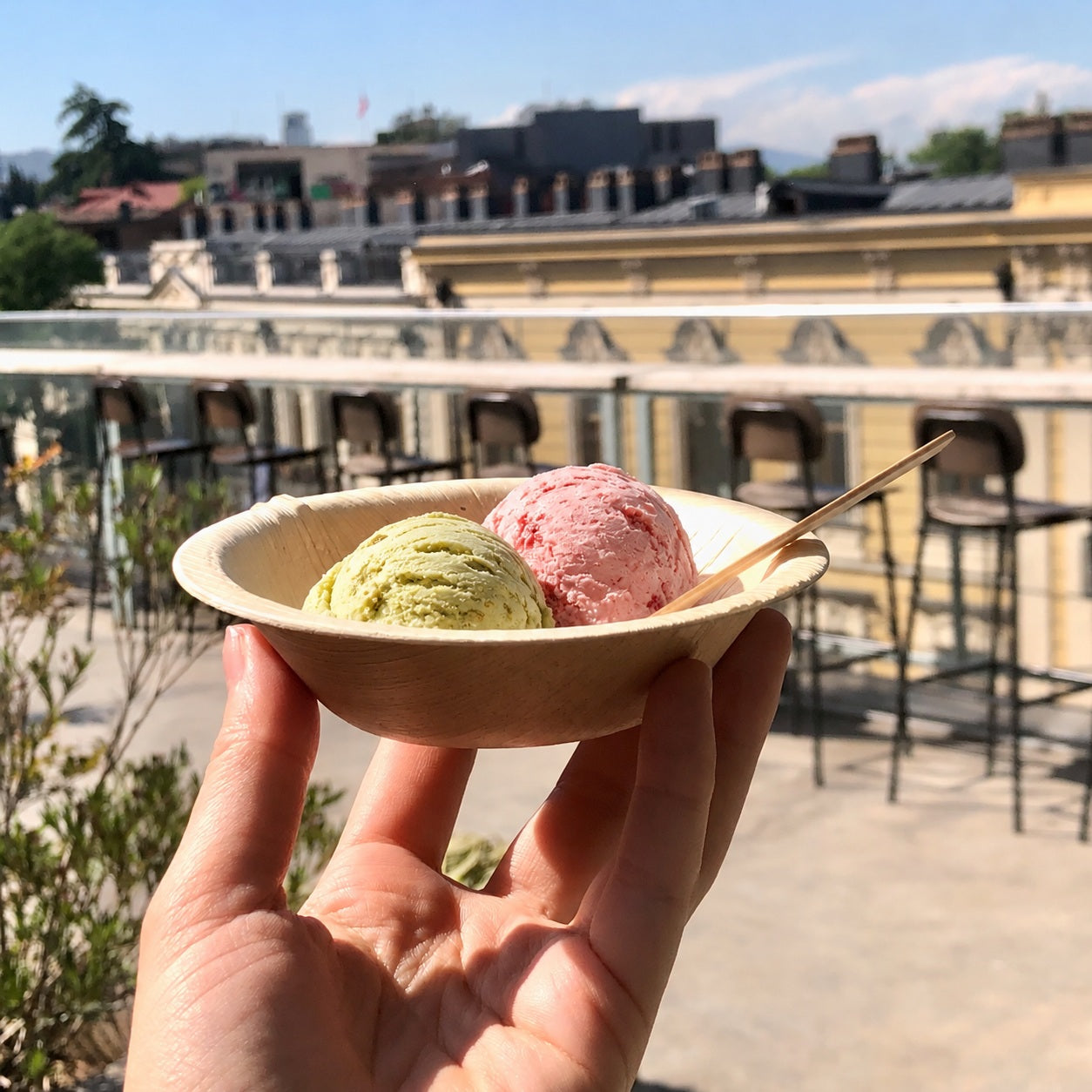
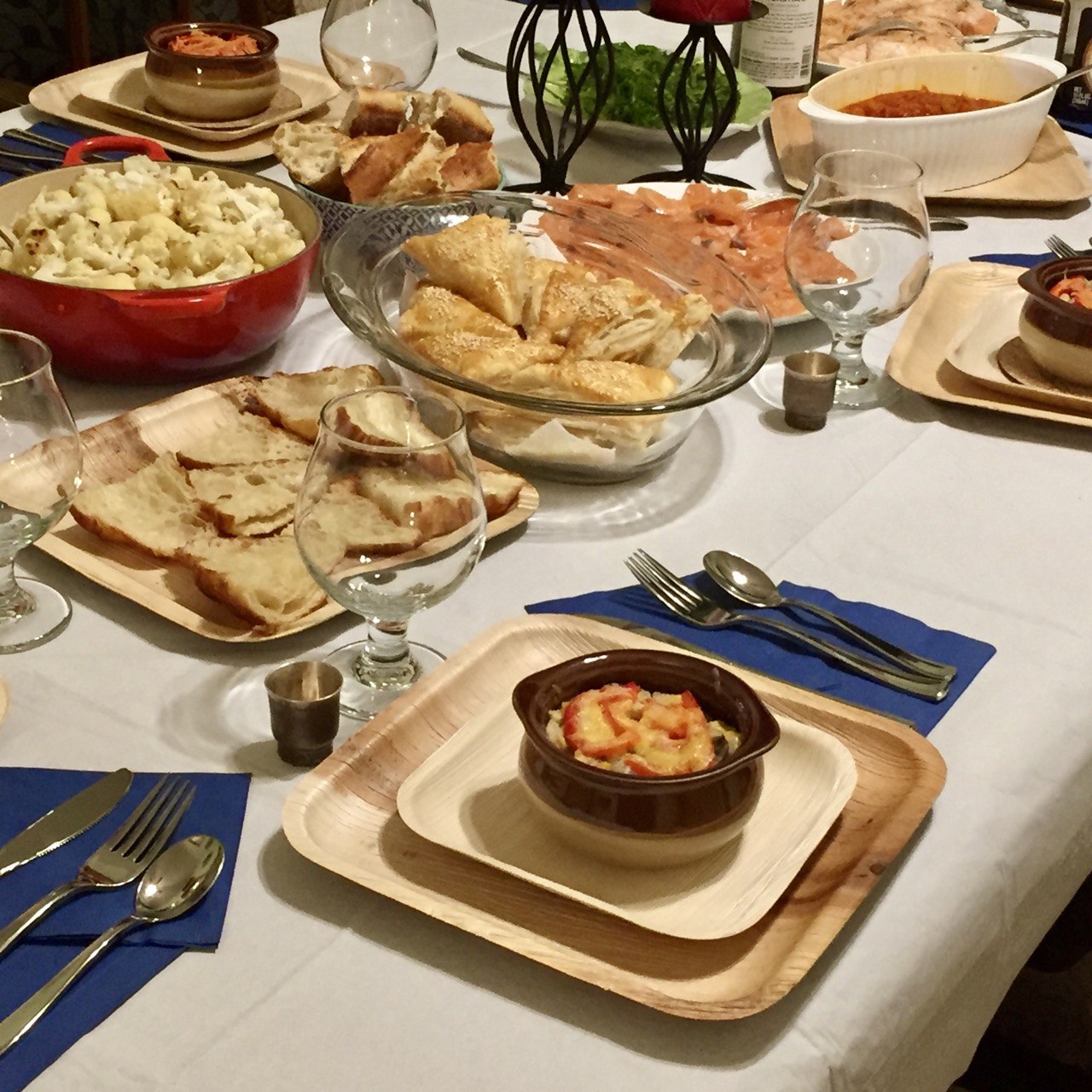
Palm leaf plates belong somewhere else: backyard dinners, brunch tables, outdoor receptions, casual catering, food people serve themselves, and parties where guests are moving around instead of sitting through three plated courses.
Thin paper plates mostly say one thing: this needed to be easy.
And plastic plates made to look like china can be the trickiest. Sometimes they work. But sometimes they reveal the tension instead of hiding it: the host wants a formal look without the formal logistics behind it.
That is where disposable tableware can start to feel uncomfortable.
Some events still need real plates
For a formal wedding, a plated dinner, or a reception in a hotel ballroom or country club, real tableware still makes sense.
Guests may not walk in thinking, “I hope there is china.” But they will notice if the room, the clothes, the service, the food, and the plates do not belong to the same story.
If the event says black tie, candles, linen, glassware, and plated courses, china is part of the service. It supports the mood of the meal.
A thin plastic plate at a ballroom wedding does not just say “disposable.” It can say: someone cut the budget at the last visible moment.
Not every party is trying to be a formal dinner
A lot of real-life hosting does not look like a formal dinner anymore.
It looks like 20 people coming over for a birthday.
A backyard graduation party.
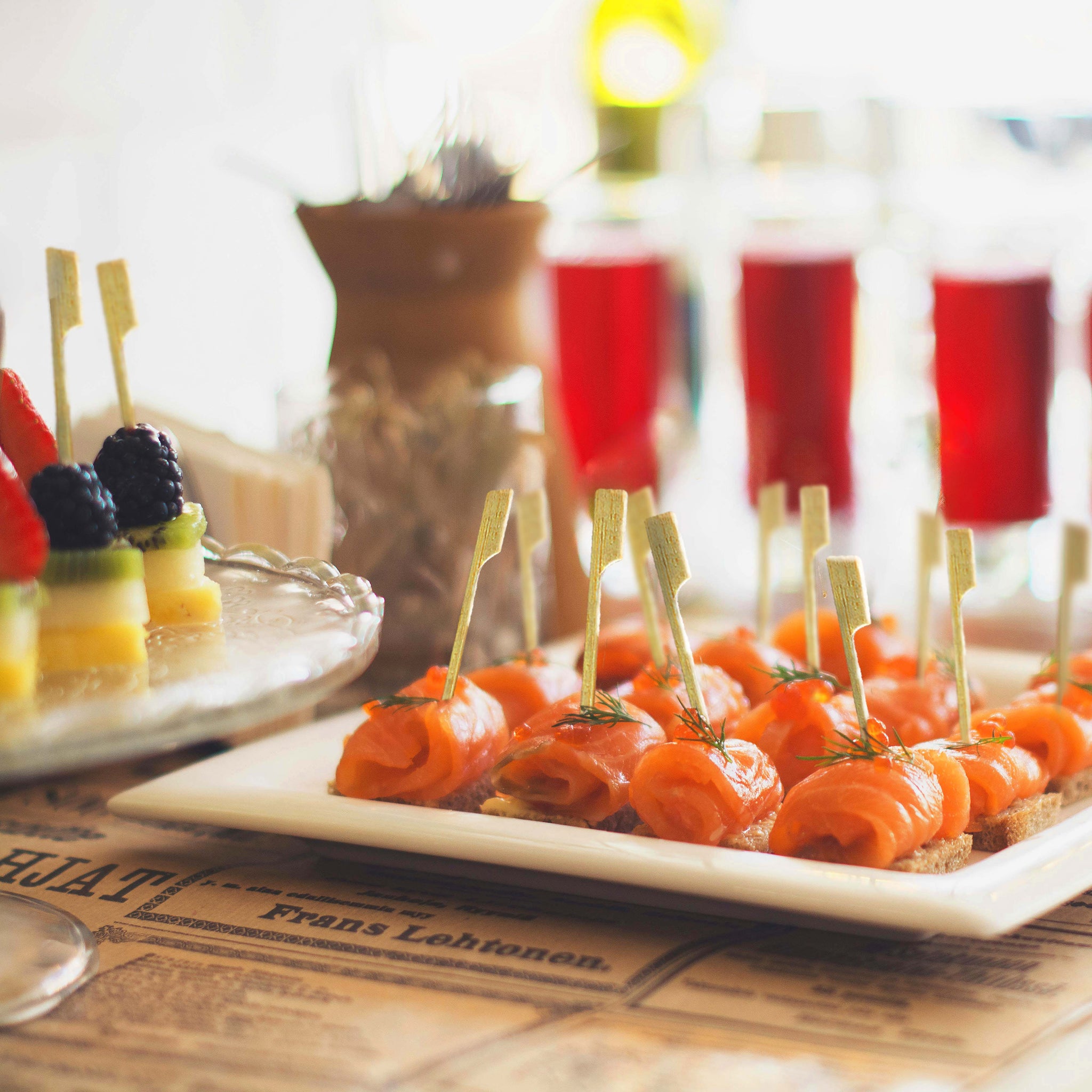
A brunch table with fruit, pastries, dips, and small bites.
A baby shower where people move around with plates in their hands.
An outdoor wedding with buffet food and string lights.
A casual family celebration where half the guests are standing in the kitchen anyway.
In those settings, reusable dinnerware can become less “elegant tradition” and more “logistical problem.”
You need enough matching plates, space to store them, someone to clear them, and time to wash them. If the plates are rented, you also have to think about delivery, pickup, breakage, and getting everything back.
For a small home party, this is not a detail. It changes the whole experience of hosting.
At that point, the party is over for everyone except the person at the sink.
Guests usually notice when something feels off
Most guests will not remember the exact plate unless it caused a problem.
They remember the food, the mood, and whether anything felt awkward. A bad plates become a problem when they make guests feel like an afterthought.
That usually happens when the plate is too thin for the food, bends under a full serving, leaks with something saucy, feels too picnic-like for an elegant event, or becomes part of a messy trash situation.
So the fear is not really “disposable.”
The fear is cheap by accident.
A sturdy disposable plate at a casual outdoor party can feel completely normal. A flimsy plate at a formal reception can make the whole table feel underplanned.
Palm leaf plates work best when the party is honest
Palm leaf plates work best when you let them look like what they are.
They are not fake porcelain.
They have their own look: natural, rustic, earthy, simple, a little handmade.
That means they work best when the gathering is already relaxed.
A backyard dinner.
A birthday for 20 people.
A garden party.
An outdoor wedding.
A barn wedding.
A brunch reception.
A picnic-style gathering.
A tasting table.
A casual catered event.
A grazing table with fruit, cheese, pastries, dips, and small bites.
In those settings, palm leaf plates do not look like a downgrade from china. They look like they belong to a different kind of event.
Less formal.
Less stiff.
More practical.
More natural.
They are not trying to make a casual party look formal. They help a casual party look considered.
So, do still you need china?
If the event is formal, traditional, plated, and service-oriented, china still does the job better.
But if the event is casual, outdoor, buffet-style, family-style, brunch-based, or built around people moving, talking, and serving themselves, disposable plates can make more sense.
Palm leaf plates are not trying to replace china in every setting. That would be the wrong argument. They push back against the idea that every celebration has to imitate a formal dinner to feel thought through.
That may be the real status signal now: not whether the plates are reusable or disposable, but whether the host knew what kind of gathering they were creating.