Book clubs are having a new moment. Younger readers are joining open groups in bookstores, libraries, cafés, and coworking spaces to read, meet people, and spend time away from screens.
Unlike a private dinner among friends, an open book club should be easy to join. A first-time guest should not have to guess whether they need to cook, bring wine, or contribute to an elaborate meal. A few simple refreshments served on small disposable plates can make everyone feel welcome without creating another obligation.
Use the Book for Inspiration, Not the Entire Menu
Themed food can add something special to a book club meeting. You might serve a dish from the place where the story is set, recreate something a character eats, or choose a drink that suits the book’s period or mood.
But you do not need to build a full dinner around every title. One thoughtful detail is often enough: Persian cookies, French cheese, Southern sweet tea, or a cocktail mentioned in the story.
Keep elaborate themed dinners for occasional celebrations. When one host prepares a large spread, the next person may feel expected to match it. Soon, a casual monthly meeting becomes expensive and exhausting to organize.
Simple food is not a lack of hospitality. It keeps the club easy for different members to host. For a larger themed event, sturdy party plates and disposable serving pieces can also reduce setup and cleanup without making the table feel overly formal.
Follow the 1–1–1 Menu
For a regular meeting, plan three things:
- One savory bite: mini quiches, cheese and crackers, or pinwheel sandwiches.
- One fresh option: fruit skewers, caprese skewers, grapes, or vegetables with hummus.
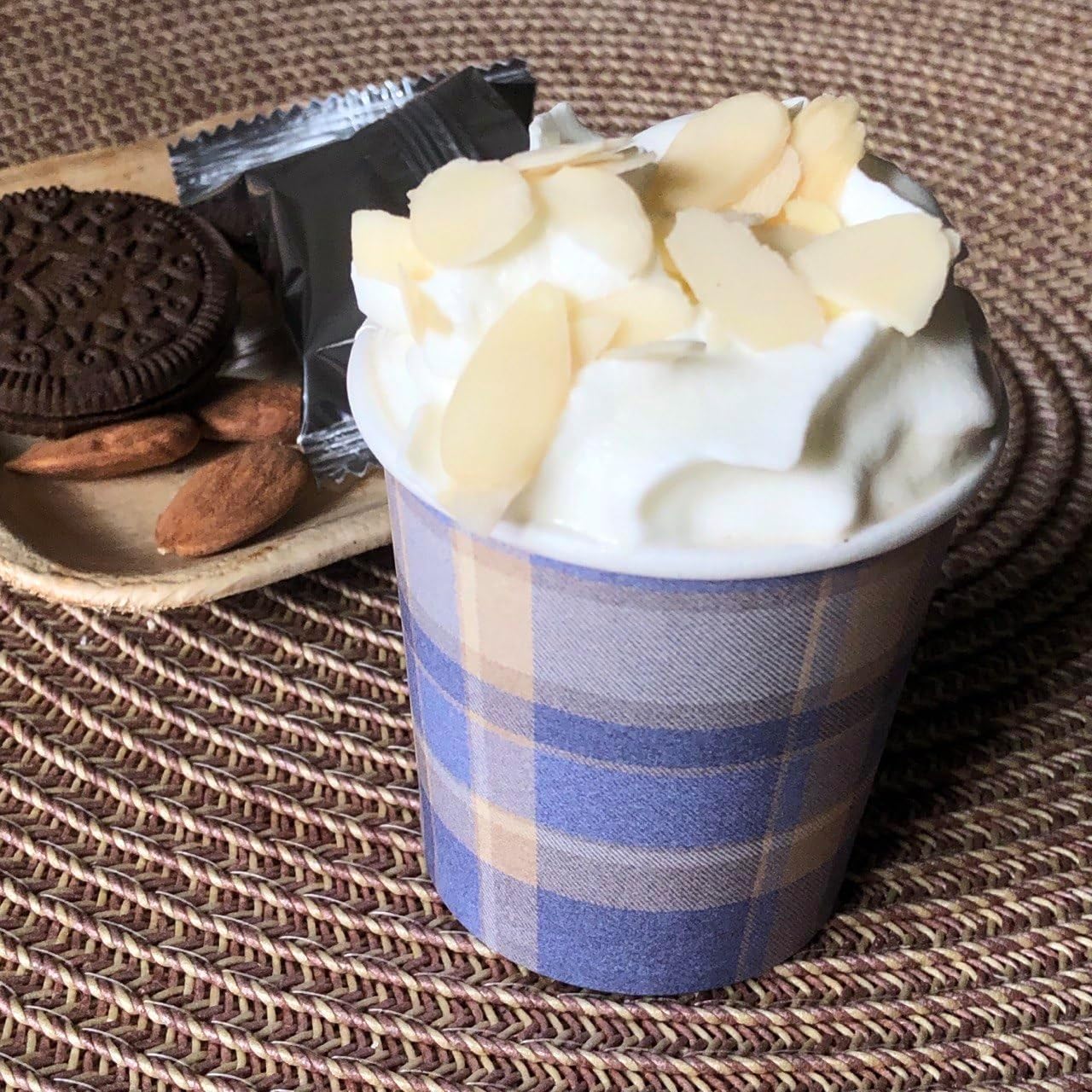
- One simple sweet: brownie bites, cookies, lemon bars, mini muffins, or tea cakes.
Add tea, coffee, water, and, if you like, one drink inspired by the book.
This gives guests enough variety without turning the meeting into a catering project. The table feels inviting, but the host does not spend the entire day shopping, cooking, and washing dishes.
Build the Menu Around Easy Serving
Some serving styles work especially well for book clubs.
A grazing board requires little preparation. Arrange cheese, crackers, olives, fruit, vegetables, and sliced meats on a large board. Guests can choose what they like and place a few items on their own party plates.
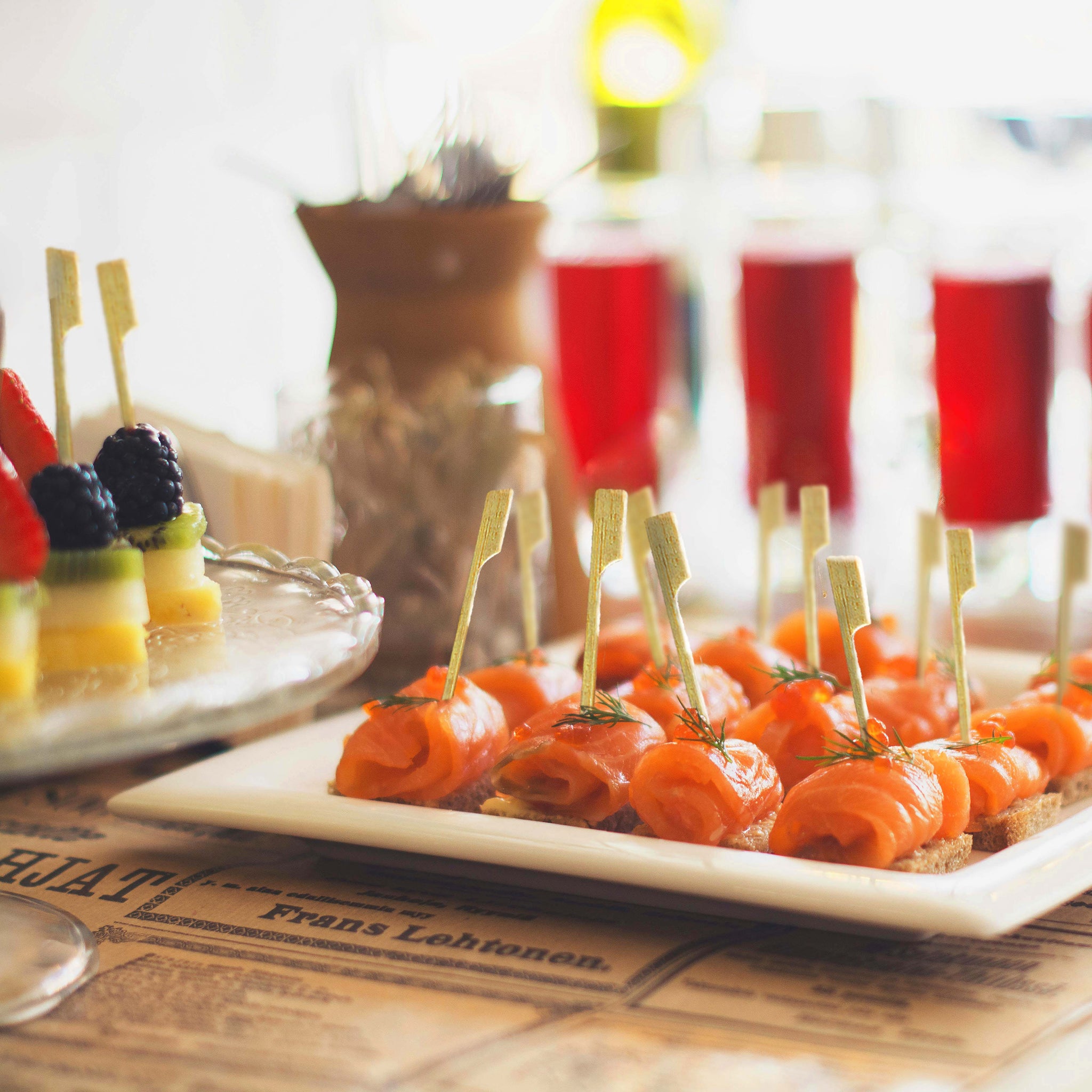
Bamboo skewers make serving even easier. Try fresh fruit, caprese bites, or cheese with grapes and olives. Each skewer is already portioned, so guests do not need to cut food or use serving spoons.
Mini foods are another practical choice. Mini quiches can be prepared ahead and served warm or at room temperature. Small sandwiches, bite-size appetizers, and small desserts let guests try several things without filling a large dinner plate. Small wooden taster forks are useful for softer bites that are too delicate or messy to pick up by hand.
For the easiest possible menu, serve cheese and crackers, cut vegetables with a ready-made dip, fresh fruit, and bakery cookies. No complicated recipes are required.
Choose Snacks That Are Safe Around Books
The best book club snacks are easy to eat in one or two bites. Avoid food that drips, falls apart, or leaves greasy fingers on books and e-readers.
For a casual snack table, small palm leaf plates are a better fit than full-size dinner plates. A 6-inch appetizer plate has enough room for a mini quiche, a few crackers, fruit, and a small dessert without becoming difficult to hold. Wooden forks work well for quiche, salads, and soft appetizers while helping guests keep their hands clean.
If the club is hosting a reading, author visit, or another larger public gathering, practical plates for catering can make service easier. Choose sizes that match the menu: small plates for grazing and larger plates when the refreshments replace a full meal.
Natural disposable tableware also makes cleanup faster, which matters when the meeting takes place in a bookstore, coworking space, or another venue without a full kitchen.
A good book club menu has a simple job: help people settle in, start talking, and feel welcome. The food should support the meeting while leaving the book at the center of it.