...without making it look like a children’s party
Easter tables in the U.S. are moving away from the old formula of pastel decor, hard-boiled eggs, and one big formal meal in the middle. In 2026, the mood feels lighter, looser, and a little more playful. The table looks less like a traditional holiday dinner and more like a spring brunch built out of small things people actually want to eat.
1. “Egg, but not egg”
One of the clearest Easter ideas right now is food shaped like eggs instead of actual boiled eggs.
Part of that comes from last year’s jokes around egg prices in the U.S., when people started dyeing potatoes and playing with other “fake egg” ideas. In 2026, the joke still works — but now it shows up as egg-shaped cookies, mini cakes, marshmallows decorated like Easter eggs, dessert cups with candy eggs, and even cheese balls shaped like eggs.
The appeal is simple: the table still reads as Easter, but the “eggs” are much more fun to eat.
2. Cute, but edible
Another strong direction is animal-shaped food, especially bunnies.
A bunny printed on a napkin is fine. A bunny made of cheese, butter, cake, or pancakes is the part people actually remember. That is why bunny-shaped food keeps showing up in Easter content year after year: it gives the table character without adding clutter.
A cheese bunny on a snack board, a bunny-shaped cheese ball, bunny pancakes at brunch, or small sweets with ears all work for the same reason. They feel playful, but they still belong on the table.
3. Carrots are no longer just a side dish
Carrots have become one of the clearest Easter signals for 2026.
They show up not only in recipes, but in the visual structure of the table. A bunch of carrots in a clear vase works as a centerpiece. Baby carrots tied with ribbon can become part of the decor. Carrot cake, carrot dips, or roasted carrots add a bright orange note that reads as spring immediately.
4. The Easter table is becoming more like a board, grazing spread, or brunch setup
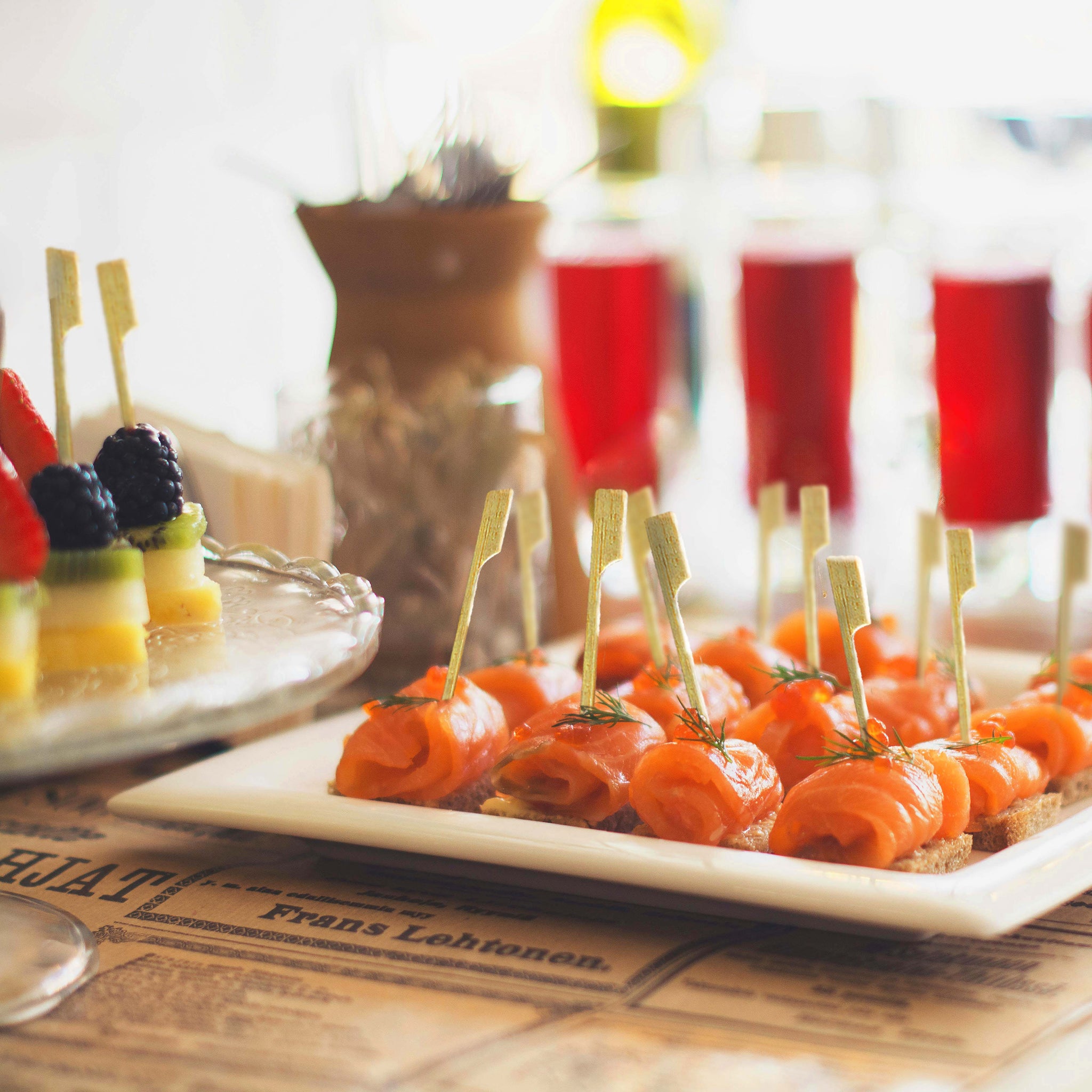
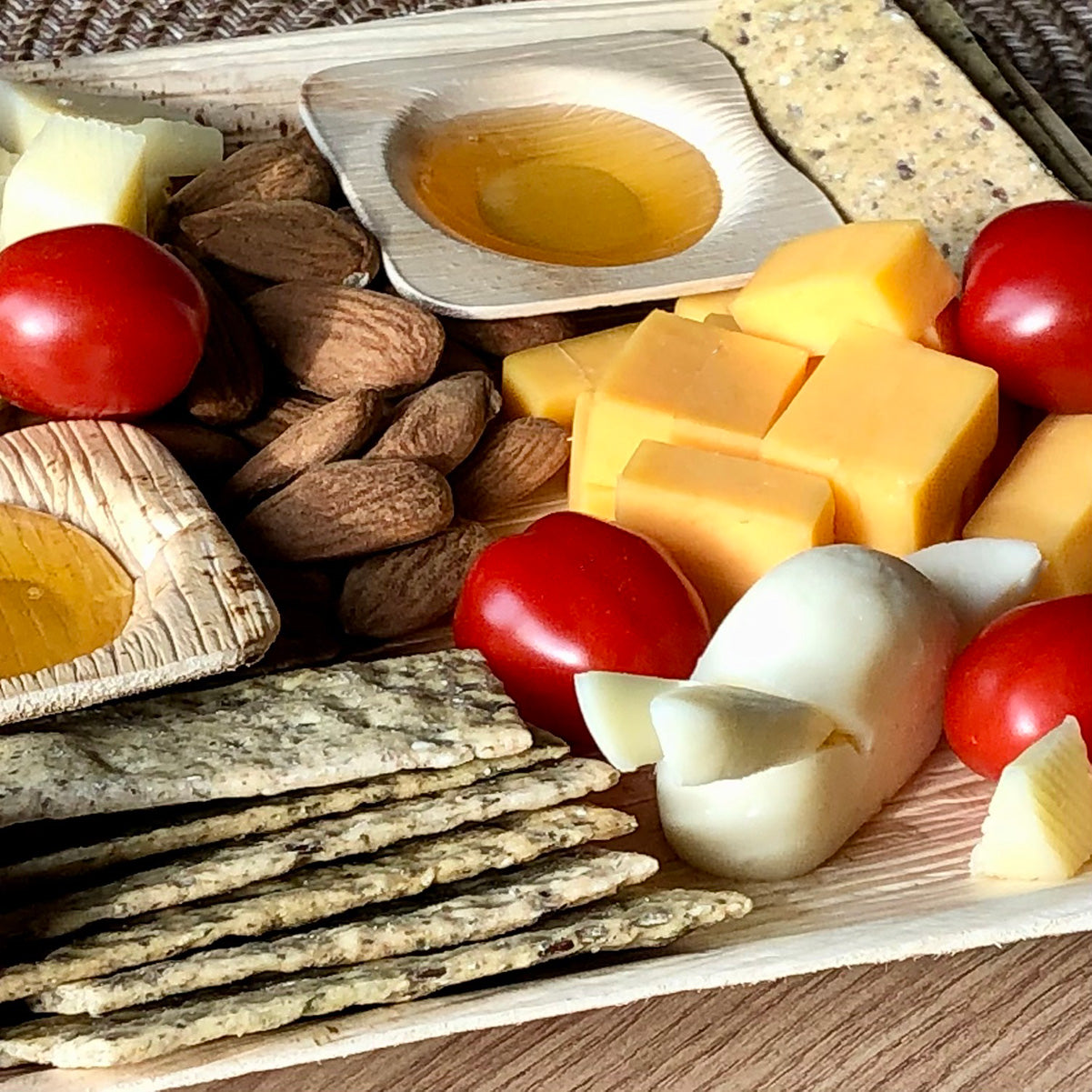
Instead of one main dish with a few sides, Easter hosting is shifting toward a more flexible table built from smaller things: snack boards, pastries, berries, little bowls of honey or jam, cheese, crackers, vegetables, sweets, and mini desserts people can pick up as they move around.
This format changes the mood of the gathering. People build their own party plates, drift back to the table, comment on what looks good, and return for one more little thing. It feels easier and more social than one formal centerpiece meal.
This is also where palm leaf plates fit naturally: they work well for brunch-style serving, grazing tables, buffet-style Easter setups, and snack-based menus with dips, fruit, pastries, and small bites. For hosts who want a table that feels easy as well as beautiful, eco-friendly plates with a neutral look make that setup even simpler.
5. Mini desserts work better than one large cake
A big Easter cake still has its place, but the stronger look for 2026 is a table with several smaller sweets instead.
Mini bundt cakes, egg-shaped cookies, dessert cups, carrot cake bars, brownies with pastel toppings, and nest-style treats make the table feel more alive than one large cake waiting to be sliced. They are easier to arrange, easier to share, and easier to scatter across the table in a way that actually looks festive.
6. Keep the table spring-like, not overly themed
The most current Easter tables do not look overloaded with rabbits, plastic eggs, and pastel decorations everywhere.
They usually start with a simple base and then add only a few seasonal signals: a carrot centerpiece, one bunny-shaped food item, a few flowers, soft spring colors, and a handful of mini desserts.
That is what makes it feel seasonal without feeling forced — and memorable without much effort.